UNLIMITED ACCESS TO OVER 400 HISTORIC PLACES
Live and breathe the story of England at royal castles, historic gardens, forts and defences, world-famous prehistoric sites and many others.

Prehistory – the period before written records began – is the term used in Britain to cover the hundreds of thousands of years before the Romans invaded in AD 43. This vast time span is normally divided into the Palaeolithic, Mesolithic and Neolithic periods (sometimes collectively called the Stone Age), and the Bronze Age and Iron Age.
English Heritage looks after nearly 60 sites dating from the Neolithic, Bronze and Iron Ages. Explore the links below to find out what we know about the people of prehistoric England, the sites they built – from stone circles to hillforts – and the artefacts they left behind.
Stone circles, hillforts, henges, round and long barrows – England’s prehistoric monuments span almost four millennia. This guide will help you identify them.

Henges are some of the earliest and most intriguing monuments you can spot in the English landscape. But what actually is a henge?
Join us on a visit to Merrivale Prehistoric Settlement, Grimspound and the Upper Plym Valley to find out what they reveal about prehistoric life on Dartmoor.
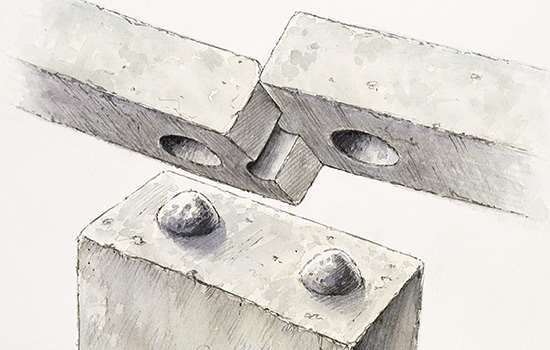
Stonehenge is a masterpiece of engineering. How did Neolithic people build it using only the simple tools and technologies available to them?
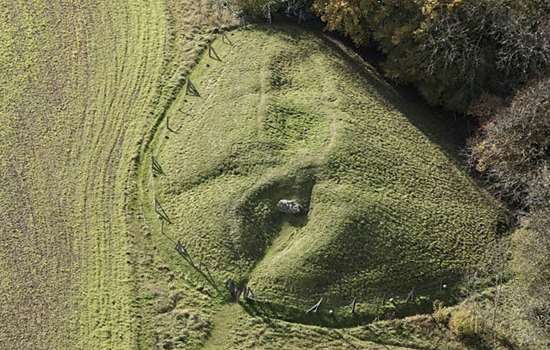
Discover what the atmospheric, evocative long barrows of the Cotswold Hills and Marlborough Downs reveal about early Neolithic burial practices and attitudes to death.
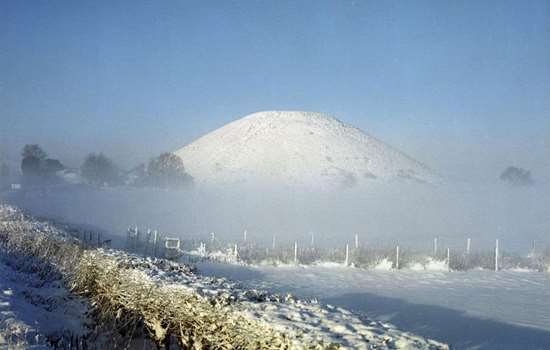
Learn how Neolithic people linked complexes of monuments into artificial landscapes, often incorporating natural features like rivers, springs and hills.
Explore the history and stories behind the world’s most famous prehistoric monument – Stonehenge – and the surrounding landscape that makes up the World Heritage Site. Stonehenge and its surrounding monuments remain powerful witnesses to the people of the Neolithic and Bronze Ages who created them.
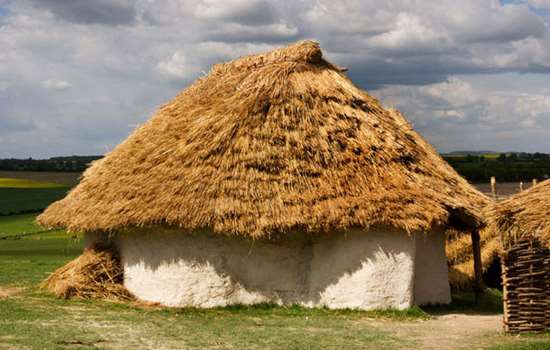
The arrival of farming from about 4000 BC had a profound effect on every aspect of daily life for the people who lived in the British Isles.
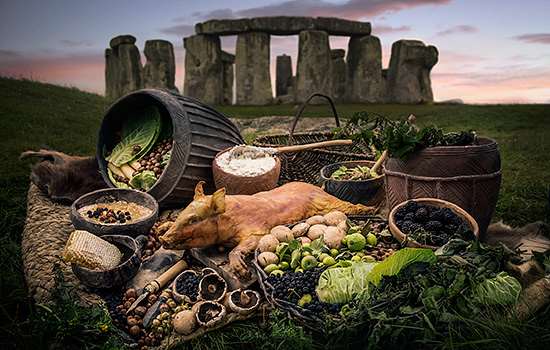
Find out what the people who built and used Stonehenge ate, how they cooked and served their food, and the cutting-edge science behind these discoveries.
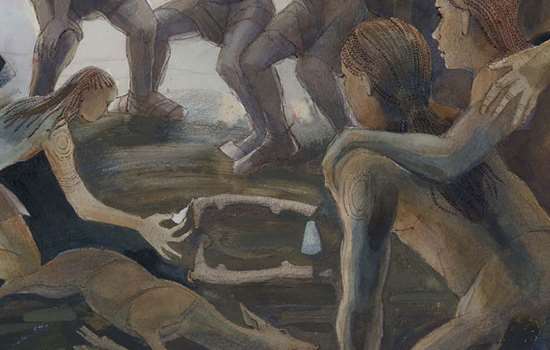
Discover what finds at Grime’s Graves flint mines in Norfolk reveal about the significance of mining, and the value of flint, to Neolithic communities.
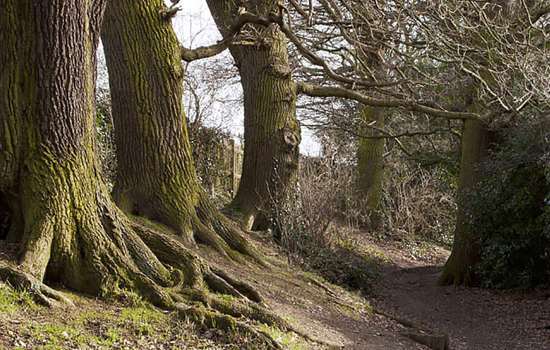
How burial goods from Essex provide tantalising glimpses of rich and powerful leaders in Iron Age Britain, and their strong links with the Roman world.
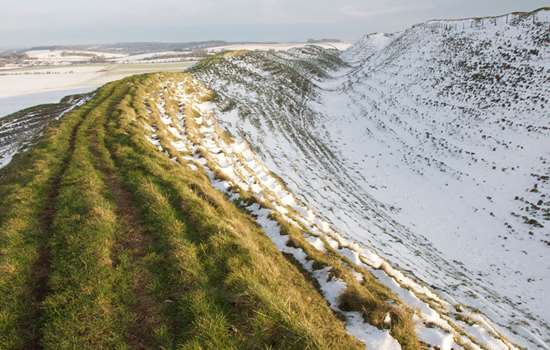
Although violence and conflict undoubtedly occurred in prehistoric Britain, the archaeological evidence can be interpreted in various ways.
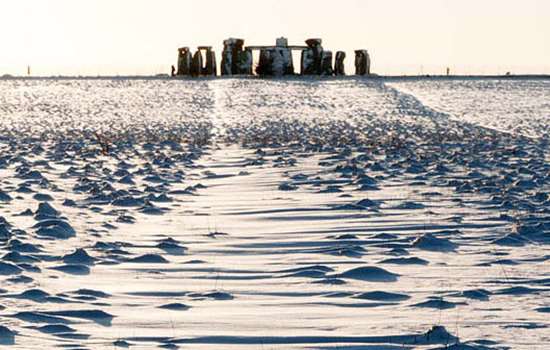
The arrival of farming, the building of great communal monuments and the knowledge of metalworking all transformed prehistoric Britain.
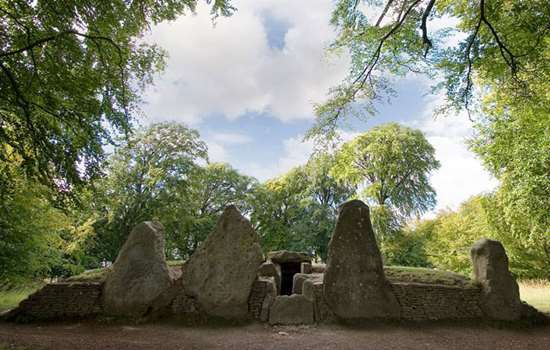
There was no single or continuously developed belief system in prehistoric Britain, but we can make informed guesses about what different prehistoric people believed.
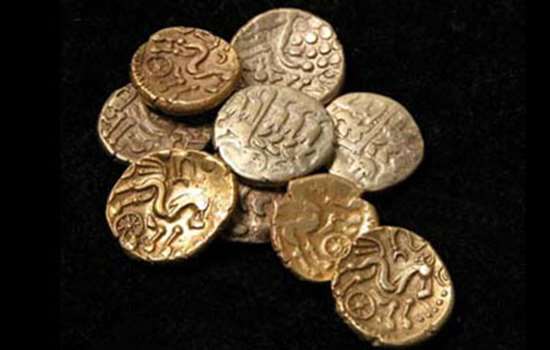
Goods and skills must have been bartered or exchanged in prehistoric Britain from early times, but little evidence survives, and commerce as we think of it may not have existed.
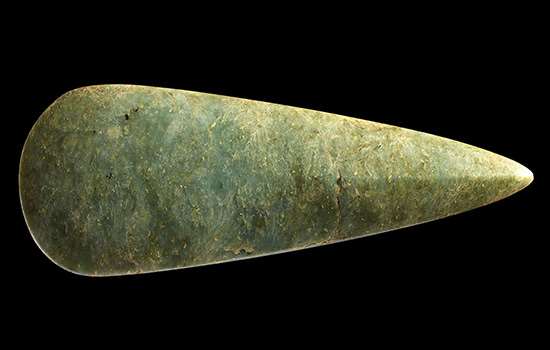
Throughout the Neolithic and Bronze Ages, people connected with others and with the world around them by making and sharing precious objects. Explore the story of these connections.
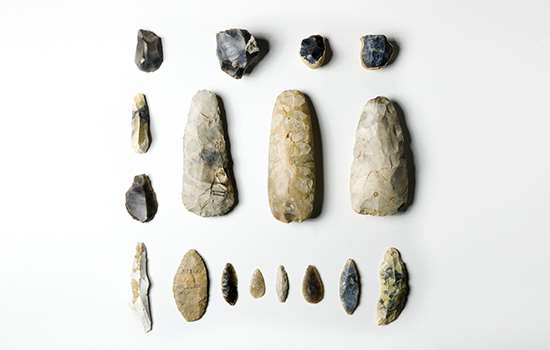
Discover some of the objects found at these Norfolk Neolithic flint mines, including a range of tools that reveal the many uses of flint during prehistory.
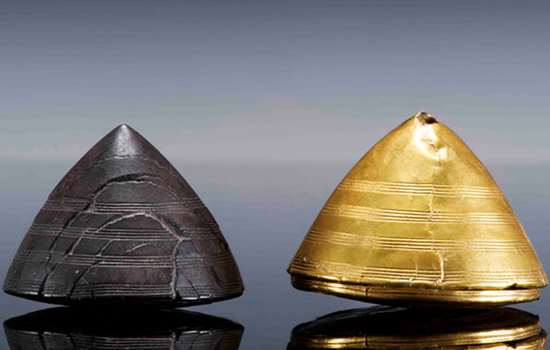
People in prehistory were skilled at making tools and decorative objects from stone and metal, sometimes with astonishing decoration.
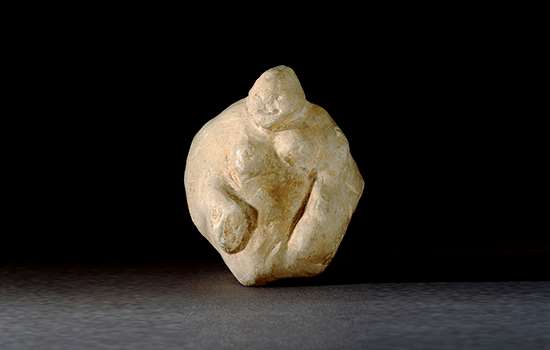
We investigate the authenticity of an intriguing figurine discovered at Grime’s Graves in 1939 and explore the mysteries that surround its origin.

Walk in the footsteps of your Neolithic ancestors at Stonehenge – one of the wonders of the world and the best-known prehistoric monument in Europe.
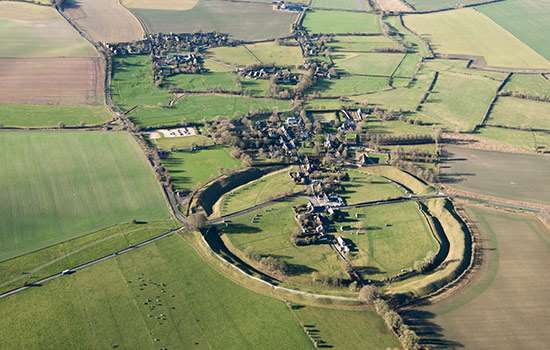
The area around Avebury contains an extraordinary cluster of prehistoric monuments, including one of Britain’s largest and most complex Neolithic henges.

Farming communities built three huge circular henges here about 4,500 years ago, which remained important into the early Bronze Age.
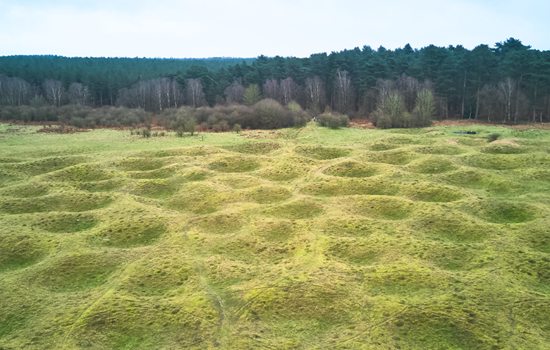
The lunar landscape of more than 430 shafts and quarries is Britain’s only Neolithic flint mine open to the public.

Castlerigg is perhaps the most atmospheric and dramatically sited of all British stone circles, with panoramic views and the mountains of Helvellyn and High Seat as a backdrop.

Although this is the third largest complex of prehistoric standing stones in England, the three circles and three-stone ‘cove’ of Stanton Drew in Somerset are surprisingly little known.

Explore the remains of two megalithic ‘dolmen’ burial chambers – the first two ancient monuments to be protected and conserved by the state.
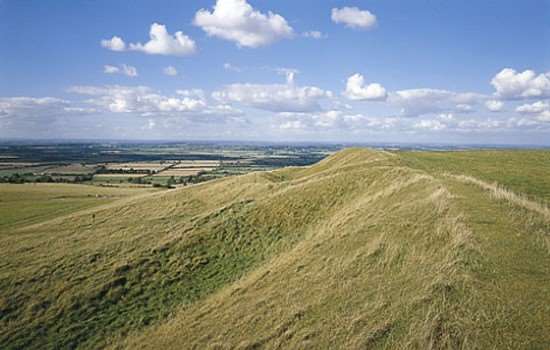
These three prehistoric sites lie beside the Ridgeway, the ancient route that stretched from Dorset to the Wash.

Belas Knap is a particularly fine Neolithic long barrow, with a false entrance and side chambers, where 19th-century excavators found the remains of 31 people.

Among the largest and most complex Iron Age hillforts in Europe, Maiden Castle’s huge multiple ramparts enclose an area the size of 50 football pitches.
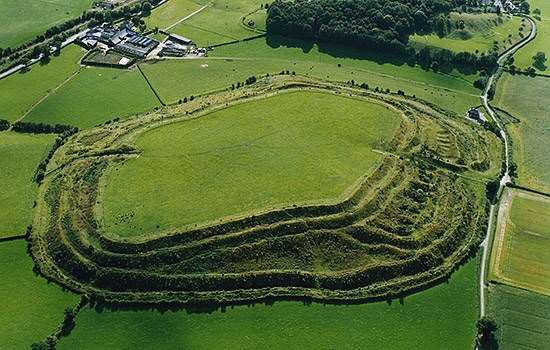
A fine example of an Iron Age hillfort with multiple ramparts, Old Oswestry is one of a dense band of hillforts in eastern Wales and the Marches.
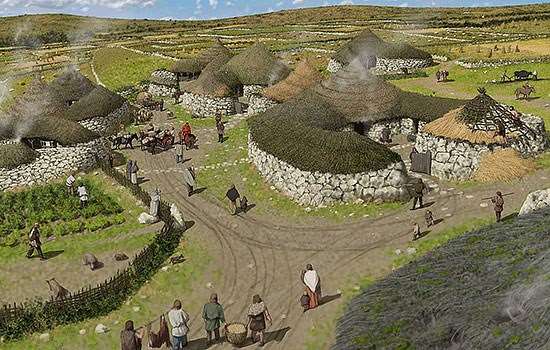
This Iron Age settlement probably has its origins about 2,500 years ago and is one of the best-preserved ancient villages in the country.
